

The right keynote speaker for a small business event is someone who has actually built businesses, speaks to the real pressures owners face, and leaves the room with ideas they can use on Monday morning. When you compare keynote speakers for small business audiences, look past polish and fame. Focus on relevance, real-world experience, topic fit and evidence from past talks. This guide walks you through each of those so you can book with confidence.
What small business audiences need from a keynote
Small business owners are a different crowd from a corporate sales team or a room of middle managers. Many of them wear every hat in the company. They sign the checks, answer the customer complaints and lie awake wondering how to make payroll. They have given up a day of revenue to attend your event, so their tolerance for fluff is low.
A strong keynote for this audience usually delivers three things:
- Recognition. Owners want to feel understood. A speaker who knows the loneliness of decision-making, the fear of a bad quarter and the grind of building something from nothing earns trust fast.
- Practical takeaways. Inspiration matters, but it has to connect to action. Frameworks, simple systems and clear next steps give people something to carry home.
- Energy without hype. Small business owners have heard plenty of promises. They respond to honesty, including honest talk about failure, far more than to empty motivation.
Keep these needs in front of you as you review candidates. Every other decision flows from them.
Practitioner vs. professional speaker: why real business experience matters
There are broadly two kinds of speakers on the circuit. Professional speakers have made speaking their primary business. Many are excellent performers. Practitioner speakers are people whose credibility comes from doing the work: starting companies, hiring teams, losing money, recovering and selling.
For a small business audience, practitioner experience often carries more weight. Here is why.
Credibility is earned in the trenches
Owners can tell quickly whether a speaker has lived what they are describing. Someone who has dealt with cash flow crunches, failed launches and difficult pivots talks about them differently than someone who has only studied them. The stories are specific, the lessons are hard-won, and the advice tends to be grounded.
Range across industries helps
Your audience might include a restaurant owner, a marketing consultant, an e-commerce seller and a local service provider. A speaker who has built companies across different industries can relate to more people in the room.
As an example of what practitioner depth looks like, Jason McClain is a 30-year entrepreneur who has built and sold 14 companies. His ventures have spanned an online marketing agency, a divorce filing service, a children's vending concept, a legal forms website, a winery and more. You can read the full background on the About page. That kind of range is worth looking for in any speaker you consider, because it signals someone who understands business from many angles.
Performance still matters
None of this means stage skill is optional. A practitioner who cannot hold a room will lose your audience. The ideal is a speaker who combines real business results with the ability to tell a story clearly and keep energy high. That is why reviewing past talks, covered below, is essential.
Matching keynote topics to your event goals
Before you look at a single speaker, write down what you want attendees to feel, think and do after the keynote. Then match topics to those goals rather than picking a speaker and hoping the topic fits.
Common small business event goals
- Resilience after a tough season. If your members have weathered setbacks, a talk on turning failure into fuel can reframe the conversation.
- Growth and revenue. If the focus is building stronger businesses, look for topics on revenue channels and sustainable growth.
- Leadership and mindset. If attendees are scaling teams or stepping into bigger roles, topics on blind spots, focus and inner strength fit well.
- Community and belonging. If your event aims to connect owners who often feel isolated, a talk that speaks to feeling different or alone can resonate deeply.
Look for a framework, not just a story
The best keynotes pair a personal narrative with a memorable structure. A framework gives attendees a way to remember and apply the message long after the event. For instance, the keynote topics listed on Jason's speaking page include discovering your blind spot, getting past goal obsession, finding the channels that drive residual revenue, turning failure into fuel with the R.I.S.E. System, and building inner strength with the C.O.M.P.A.S.S. System. Topics tied to named systems like these give your audience something concrete to hold onto.
Ask about customization
A good speaker will want to understand your audience and tailor examples to them. A talk delivered to franchise owners should not sound identical to one delivered to tech founders. Ask how much the speaker adapts content and what they need from you to do it well.
Questions to ask before you book a speaker
Once you have a shortlist, a conversation with each speaker or their team will tell you a lot. Here are questions worth asking.
- What experience do you have with small business audiences? You want someone who understands owners, not just executives.
- What will attendees walk away with? Listen for specific takeaways, not vague promises of inspiration.
- How do you tailor your talk to an event? Ask what pre-event information they need, such as audience size, industries represented and the event theme.
- What formats do you offer? Some events need a keynote only. Others benefit from a workshop, panel or Q&A session. Clarify what is available.
- What are your technical and logistical needs? Microphone type, slides, stage setup, travel and timing all affect your planning.
- Can you connect with attendees beyond the stage? Some speakers offer books, follow-up resources or mentorship pathways. If ongoing value matters to your organization, ask about it.
- What does your fee include? Get clarity on travel, preparation calls, materials and any additional sessions so there are no surprises.
Pay attention to how the speaker responds as well as what they say. A speaker who asks thoughtful questions about your audience is usually one who will deliver a relevant talk.
Reviewing a speaker's press kit and past talks
A conversation tells you about the person. A press kit and video footage tell you about the product. Do not skip either.
What to look for in a press kit
A speaker's press kit should give you everything you need to evaluate and promote them. Look for:
- A clear bio that explains who they are and why they are credible.
- Keynote topics and descriptions so you can match them to your goals.
- High-quality photos for your event materials and marketing.
- Books, ventures or other work that show depth beyond the stage.
If you are considering Jason, his press kit brings these materials together in one place. His books, including Pivot to Profit and Island of One, connect directly to the R.I.S.E. and C.O.M.P.A.S.S. systems featured in his keynotes, which can give attendees a natural next step after the event.
Watch past talks closely
Video is the closest thing to a test drive. When you watch a speaker's past talks, ask yourself:
- Does the speaker connect with the audience quickly?
- Is the message clear and easy to follow?
- Are there concrete takeaways, or is it mostly motivational energy?
- Would this tone and style land with my specific attendees?
You can watch clips and talks on the videos page to get a feel for Jason's delivery. Long-form content helps too. Episodes of the Crush & Climb podcast, such as The Blind Spot That's Costing You Millions, show how a speaker thinks through ideas at length, not just in a polished segment.
Trust your audience's perspective
If possible, have someone from your planning committee who runs a small business watch the footage too. Their gut reaction is a good predictor of how the room will respond.
Frequently asked questions
What makes a keynote speaker a good fit for small business owners?
Look for real business-building experience, honest storytelling and practical frameworks attendees can apply right away. Owners respond best to speakers who understand their daily pressures firsthand.
Should I choose a famous speaker or a practitioner?
Fame can help with ticket sales, but relevance drives satisfaction. For small business audiences, a speaker who has built and run companies often delivers more usable value than a well-known name with little hands-on experience.
How far in advance should I book a keynote speaker?
Reach out as early as your planning allows, since popular speakers fill their calendars. Early booking also gives the speaker time to learn about your audience and tailor the talk.
How do I book Jason McClain for my event?
Visit the speaking page to review his keynote topics and submit an inquiry. You can also review his press kit for bio details, topics and materials to share with your planning team.
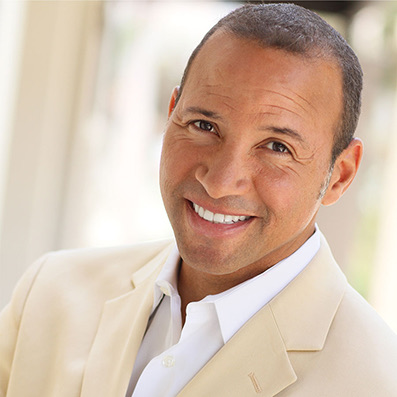
About the author
Jason McClain
Entrepreneur, author of Pivot to Profit, Island of One and Bottles & Dishes, speaker and mentor. Host of the Crush & Climb podcast and founder of McClain Cellars.
More about Jason →Keep reading

Top 10 Tips for Becoming a Successful Entrepreneur
Read Jason McClain's blog post on "Top 10 Tips for Becoming a Successful Entrepreneur," and see if you have what it takes to start your own business!
How to Run an End-of-Year Business Audit?
A business audit isn’t really something we relish talking about, but it’s a necessary part of doing business. It’s important for your checks and balances…
The Best States for New Business Start-Up
Is your state one of the best states for new business? It’s a loaded question. Just in case you thought anywhere was a good place to start a business,…
Comments (0)